



On June 3–4, 2026, the Sustainable Produce Packaging Alignment (SPPA) initiative brought together growers, packaging manufacturers, researchers, retailers and sustainability leaders for a two-day series of farm, manufacturing and research facility tours across California’s Central Coast and San Francisco Bay Area.
The event was hosted by Western Growers, the World Wildlife Fund and the U.S. Food Waste Pact and provided participants with a firsthand look at how packaging decisions impact food loss and waste, product protection, operational efficiency and sustainability throughout the fresh produce supply chain.
The tours allowed the participants to see real-world operations within the supply chain of fresh produce. They were designed to connect the conversations happening within SPPA to real-world operations. By visiting farms, greenhouses, packaging manufacturing facilities and research laboratories, the group was able to gain a deeper understanding of the critical needs for the fresh produce industry and functional requirements packaging must meet before the sustainability aspects can be evaluated.
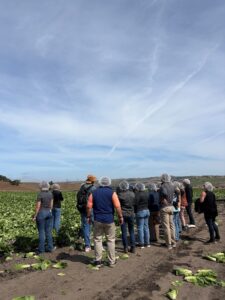
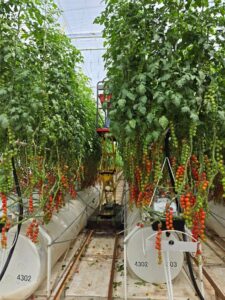
To kick off the event, the group made their way to the Santa Maria area for a visit to Betteravia Farms and BoniPak, where they observed field-pack operations and learned about the application of the Global Farm Loss Tool. The discussions here highlighted the role packaging can play in protecting product quality and reducing losses before produce even leaves the field. The group then toured Windset Farms’ greenhouse operations, gaining insight into controlled-environment agriculture and the unique packaging and handling considerations associated with greenhouse-grown produce.
Following the field visits, the group had a working lunch at Cal Poly, San Luis Obispo, where Gerardo Herrera from the Art Center College of Design, Leigh Prezkop from WWF, and Jeffrey Brandenburg from Qfresh Labs shared educational sessions focused on sustainable design, food loss and waste, and packaging functionality and sustainability. The presentations explored packaging design considerations, findings from the Global Farm Loss Tool and an overview of SPPA’s ongoing efforts to align sustainability goals with packaging performance requirements. Together, the day one discussions reinforced the importance of evaluating packaging through a systems-based lens that considers food safety, food waste prevention, supply chain realities and environmental impacts.
On day two, participants visited Emerald Packaging in Union City, where they toured a flexible packaging manufacturing facility for fresh produce and learned about innovations in
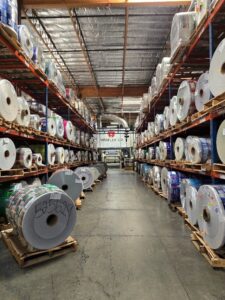 packaging production, material selection and sustainability initiatives. The last stop of the event was at the USDA Albany Laboratory, where researchers shared ongoing work related to compostable price-look-up (PLU) stickers, sustainable materials development, and the challenges associated with developing solutions that meet both operational and environmental goals.
What made this event extremely valuable was how it brought together stakeholders from across the produce supply chain and gave them an opportunity to collaborate and examine packaging challenges from multiple perspectives. Growers, researchers, packaging suppliers and sustainability professionals were able to engage in meaningful conversations about tradeoffs, opportunities and areas where more alignment is needed. In seeing these issues firsthand, they got to have discussions about the operational realities that influence packaging decisions every day. As SPPA continues to develop guidance and resources for the fresh produce industry, events like these play an important role in building shared understanding and advancing solutions that support both sustainability goals and supply chain functionality.