WGCIT Hosts Sakata Seed Global Academy

July 15th, 2024

The Western Growers Center for Innovation and Technology (WGCIT) in Salinas hosted the Sakata Seed Global Academy on May 16 to discuss and share valuable agtech insights.

WGCIT Director Dennis Donohue addressed the 16 leaders in attendance, discussing the fresh produce supply chain and Western Growers’ innovation initiatives designed to support it. Charles McGregor, General Manager of Denver-based GeoVisual Analytics, also talked about running a startup in the Salinas Valley and working with different types of farming operations.

Founded in 1913 and headquartered in Yokohama, Japan, Sakata Seed Corporation is a global leader in seed breeding and production.

Western Growers Board of Directors Advocates for Ag in D.C.

July 30th, 2024

The Western Growers Board of Directors visited Washington D.C. in May to advocate on behalf of the membership on a wide range of issues, including the Farm Bill, plastic packaging, labor, food safety and sustainability.

On the heels of the release of two separate farm bill frameworks by the chairs of the U.S. House and Senate Agriculture Committees, the board met with representatives and staff from both committees – including House Agriculture Chairman GT Thompson. The board reiterated the priorities outlined by the Specialty Crop Farm Bill Alliance and urged the lawmakers to collaborate on a bipartisan bill that can get signed into law this year.

In addition to legislative visits on Capitol Hill, the board also engaged with key agency officials on topics ranging from H-2A rules to FDA reform to biological pesticide registrations, including Deputy Secretary of Agriculture Xochitl Torres Small, acting Secretary of Labor Julie Su, FDA Deputy Commissioner for Human Foods Jim Jones, and Senior Advisor for Agriculture to the EPA Administrator Rod Snyder.

Finally, one interesting side trip included a working lunch with officials at the Canadian Embassy to discuss plastic packaging and other trade related issues. Economic Minister John Layton delivered opening remarks on the Embassy’s trade, economic and business development programs in the U.S.

Tony Alameda from Topflavor Farms Joins WGCIT for May Lunch and Learn

July 29th, 2024

The Western Growers Center for Innovation & Technology (WGCIT) in Salinas hosted its May Lunch & Learn, featuring Tony Alameda of Topflavor Farms.

Dennis Donohue, Executive Director of the WGCIT, introduced Tony to a packed house of agtech startups, reminiscing about his radicchio sales days when Tony achieved double the yields on a challenging chicory crop. This success solidified Tony’s reputation for excellence.

Tony Alameda, a name synonymous with innovation and tradition in the agricultural sector, has been a guiding force in the industry. A second-generation farmer, Tony, alongside his family, has cultivated Topflavor Farms into a beacon of diverse and sustainable farming. Established in 1983 in Fremont, California, and known for its vegetable production across California and Mexico, the company has flourished under his leadership. Tony’s vision led
to the expansion into the Salinas and San Juan Valleys, where Topflavor Farms now produces over two dozen different commodities. Growing up farming in the desert, Tony remembers working hard from a young age.

Tony’s influence extends beyond the fields. As a co-founder of Sabor Farms and former Chair of the Grower-Shipper Association of Central California’s Board of Directors, he has been at the forefront of agricultural innovation, especially during the challenging times of the global pandemic. His commitment to community and collaboration was evident when he co-founded Sabor Farms after a chance meeting with Jess Quinlan, proving that great ideas can sprout from simple conversations.

Addressing agtech startups, Tony shared insights from his family’s strategic move to the Salinas Valley, leveraging its perfect Mediterranean climate and diverse soils to grow a variety of crops. His advice to these budding entrepreneurs was clear: partner with stakeholders who are as passionate about innovation as they are about agriculture. These are the partners who will embrace new technologies and see them through to fruition.

Tony’s approach to farming is a blend of embracing new technologies and honoring time-tested methods. His openness to trying new technological solutions is balanced by the wisdom to recognize that sometimes, traditional ways are the smartest. This philosophy has not only made him an excellent farmer but also a respected leader in the agricultural community.

The best advice Tony had for the WGCIT innovators was to not drop off samples to a grower and run. Farmers want to see the product or service work in the field. Most growers are open to trying new things, but the entrepreneurs must do the work with them. For those who would like to learn more, please listen to Tony’s interview with the Platform 10 Podcast.

For more information about joining the WGCIT and having access to its monthly Lunch & Learn events with growers, visit the Center’s website here.

Western Growers to Honor Sonny Rodriguez

July 30th, 2024

Western Growers will bestow The Growers Company President and CEO Sonny Rodriguez with the 2024 Award of Honor at the organization’s 98th Annual Meeting in November. The Award of Honor is Western Growers’ highest recognition of achievement and is given to individuals who have contributed extensively to the agricultural community.

The Growers Company has offered custom produce harvesting since 1950 and is a third-generation family business. It is based in Yuma, Arizona, with offices in California; the company harvests lettuce, mix lettuce, cauliflower, broccoli and many other commodities.

Rodriguez was first elected to the Western Growers Board of Directors in 1998.

“I have no words to describe how grateful I am to be chosen this year for the Award of Honor,” Rodriguez said. “I am truly humbled to be recognized by my peers and to stand among the great men and women who were honored before me. The real honor is being able to serve our industry by being on the Board of Western Growers.”

Rodriguez’s achievements will be celebrated at the Award of Honor Dinner Gala at the Western Growers 2024 Annual Meeting in Scottsdale, Arizona, on Nov. 3-6, 2024.

Farm to Fork for Real with Garrett Nishimori of San Miguel Produce

July 30th, 2024

This interview has been adapted and expanded from an episode of Western Growers’ Voices of the Valley podcast. It has been edited and formatted for print.

Garrett Nishimori grew up in a farming family in Oxnard, Calif. He left to attend Cal and culinary school, after which he became a chef in a two-star Michelin restaurant in San Francisco. Fifteen years ago, he returned to his family’s farm, San Miguel Produce. His unique perspective on the “Farm to Fork” movement provides a first-hand account on food waste prevention, the intricacies of the supply chain – and why consumers should all get to know where our food comes from. Nishimori talks about his family’s legacy, the July 2024 acquisition of San Miguel by Grimmway Farms and how realistic FX’s “The Bear” is with Ann Donahue, Director of Communications at Western Growers.

Ann Donahue: Can you talk a little bit about your experience in farming and your experience as a chef?

Garrett Nishimori: In high school I had the opportunity to spend my summers here at San Miguel Produce. I was on the cucumber packing line at the time, sizing, grading spec’ing out cucumbers. They put me at the very end, because I was a little slow. The next summer I got to work in our fresh cut operation, mainly folding boxes cause I don’t think I could keep up with all the bags coming off, either. (Laughs.) Finally my third summer I got to work in our field mechanic shop and got to learn how to service trucks and tractors. On the culinary side, I, I was probably cooking since I was in middle school – just starting simple, grilling some meat, making some rice, making a vegetable. As I got into college at UC Berkeley, I got exposed to a lot more different types of food, more ethnic food, more authentic flavors, and got really excited and explored more and ate out more and gained a few pounds, which was fun. I went to culinary school in San Francisco…and eventually worked at Aqua in San Francisco, which was a two-star Michelin California seafood restaurant.

AD: I’m going to totally derail this interview right now and ask you how realistic “The Bear” is.

GN: I did watch that show – it was recommended to me by many friends. A lot of the drama, it was pretty real. A lot of crazy stuff happens in the kitchen. It’s kind of a high stress atmosphere with not a lot of sleep and different personalities… one day we’re cooking and one of my, my buddies comes running in the kitchen. He yells something, he grabs the blowtorch and runs out. Apparently he was out having a smoke break in the alley behind the restaurant. Three guys came up to him and jumped him, and he chased him down with the blowtorch after he got jumped. I don’t think they ended up catching him. He was a big guy, so I would definitely not have messed with him. That was a fun one.

AD: Next season, on “The Bear!” So after Aqua closed, you came back home. San Miguel is your family farm, you are the General Manager, and you guys just announced that you will be acquired by Grimmway. Can you talk about that?

GN: San Miguel Produce was founded by my uncle Roy in 1976. Roy wanted to grow year ‘round here in Ventura County and was successful even though it hadn’t been done before. He started as a commodity grower, growing items like celery, cabbage and broccoli. At the time Oxnard had their season in between Salinas and the desert, and then over time as growers were expanding their seasons he saw the business shifting. In the early 1990s, he decided to move it into what we call it the cooking green category: collard, kale, mustard, turnip, those types of greens. He did a phone survey to see if people would want a fresh cut option, a value-added option on greens that were traditionally very hard to clean. That’s when he launched the first fresh-cut cooking greens in a bag, called Cut N Clean Greens. That’s been our cornerstone brand for almost 30 years.

I think Roy and I had a very similar career path. He went to UCLA and became an accountant and think when he was around the same age as me  – mid-30s – he decided he wanted to get back into farming. I don’t know why we did that! (Laughs.) Must have been in our blood. His father, my grandfather, he had been farming with his brother here in the Oxnard area since the 1950s. Roy started learning about farming and then started his own business, and he’s been doing that for almost 50 years.

We’re being acquired by Grimmway, effective in July. That is very exciting – they grow a lot of the same crops that we source, so we’re excited about helping them increase yield in the field. It’s exciting for Roy too, because he’s finally going to be able to retire at the young age of 79. Hopefully he gets a nice retirement and gets to do some of the stuff he wants to enjoy.

AD: Given your experience on both sides of the equation, what do you think of the “Farm to Fork” movement? Is there something to it? It is just a buzzy marketing term?

GN: What sparked my interest in it was really working in
the kitchen. We did things that were probably not normal for home cooks – finding new ways to use different parts of the plant. One of my favorite things to eat is chard stems, and unless you’re buying a bunch, you’re probably not eating that. If you braise them down, they’re super tender, sweet and delicious. For consumers, I think the people that cook more often are probably a bit more open to try new things, try new flavors, utilize the whole plant or animal or whatever they’re cooking. But for the most part, consumers are kind of disconnected to the food supply system and how things are grown and processed and the challenges that come along with that.

AD: What can we do to fix that?

GN: I think it’s a very complicated answer because our food system is very dynamic and changing. I think the best thing consumers can do is to start asking questions. If you buy a product ask the company who packed it, where it came from. Build a relationship with farmers! If you’re lucky enough to know a farmer – ask us. We’ll tell you.

The Voices of the Valley podcast is available on all major podcast platforms and YouTube. Like, subscribe and comment to be entered to win a free branded Western Growers Stanley mug.

Carbon Robotics: 10 Billion Weeds Killed

July 25th, 2024

The idea of artificial intelligence (AI) is extremely polarizing – for some, the possibilities of AI are exciting and endless; others worry about the profound effects AI could have on society, the economy and, well, humanity. Paul Mikesell, Founder and CEO of Carbon Robotics, best known for the LaserWeeder, says his company exemplifies how AI can be harnessed to make a positive impact.

“We’re in one of the areas in AI where it’s completely non-controversial,” he said. “We’re not influencing people, and we’re not generating, you know, deepfake videos. We’re just finding weeds and killing them.”

Carbon Robotics’ intentions and groundbreaking achievements haven’t gone unnoticed. In May the Seattle-based company secured an investment from NVentures, the venture capital arm of NVIDIA—a world leader in accelerated computing and AI. Mikesell said the two companies came together at FIRA USA in Salinas, Calif. last year, where the NVentures team met with Carbon Robotics’ grower clients and observed robots in the field.

“The NVIDIA name is exciting. The fact that the heads of the NVentures group were willing to take a whole day, get actively engaged and come visit robots with us impressed me,” Mikesell said.

Carbon Robotics launched its Autonomous LaserWeeder in the spring of 2021, which combines computer vision, AI deep learning technology, robotics and lasers to identify and eliminate weeds. The LaserWeeder uses 24 NVIDIA graphics processing units (GPUs) to process 4.7 million high-resolution images per hour, offering rapid plant detection and identification. The lasers can target and destroy up to 5,000 weeds per minute, according to the company.

“In the last few years, AI has exploded, and NVIDIA GPUs are essential for building AI models,” said Mikesell. “Our robots are full of AI systems, and we use a lot of NVIDIA GPUs. NVentures is always looking for areas in which their GPUs can be put to good use.”

The investment money will help Carbon Robotics in a number of ways, one of which will go toward continued geographic expansion of the LaserWeeder product. A number of Western Growers members are already using the LaserWeeder, including Sábor Farms, Taylor Farms, Braga Fresh, Grimmway Farms, D’Arrigo Bros. of California and JV Smith Companies. Additionally, Mikesell said the company has plans to launch several products—completely independent from the LaserWeeder—later this year.

As a Western Growers Center for Innovation and Technology (CIT) resident, Mikesell was interviewed by Western Growers at the end of 2022. And much like the evolution of technology, since then it has been full steam ahead for Carbon Robotics. The company has spent the last year continuing to build out its LaserWeeder units, even expanding internationally. “We have machines going to Europe now and Australia, and we’re already shipping across the United States,” Mikesell said.

While Carbon Robotics doesn’t disclose the number of units it sells, Mikesell shared that at the time of this interview, the company had exceeded the milestone of 10 billion weeds eliminated by the LaserWeeder. To put that achievement in perspective, that number was at 100 million in November 2022.

“Growers are continuing to see a huge amount of benefit from our LaserWeeder,” he said. “We were originally selling on a value proposition of just straight money saving dollars per acre, but we’ve now discovered a huge amount of yield improvement as well because the LaserWeeder doesn’t touch soil or the crops.”

The CIT released its first of an ongoing series of case studies on the financial impact of agtech earlier this year. In the case study, the CIT collaborated with two grower operations to share quantifiable data of the financial value of Carbon Robotics’ LaserWeeder after one year.

The case study found that in a span of eight months, growers not only reduced weeding expenses with the LaserWeeder, but also improved yield. One grower’s yields with several crops were improved by an estimated 10 to 15 percent – and up to 50 percent, in some cases. The increased yield came in the form of recoverable product and less crop damage from hand-weeding.

The study also found that the LaserWeeder can reduce weed seedbank. “It was important for us to not only weed at a relatively low cost, but that we would improve our weed-to-plant ratio over time by reducing the weed seed count in the soil,” said Josh Roberts, former President of Triangle Farms, who participated in the case study.

Carbon Robotics’ customers range from farms as small as 300 acres to farms that are hundreds of thousands of acres. Mikesell said his goal is to have a product for growers that will pay for itself in less than three years.

“We’ve saved farmers a lot of money. Most of our farmers are seeing that payback period between one to three years…sure, there are growers who are more conservative in nature and are conscientious of how they spend their money, but we have enough machines out there in the field now that most people know somebody, or are two or three steps removed from somebody, who has a LaserWeeder and can get some questions answered firsthand,” Mikesell said.

And while the LaserWeeder is getting a lot of attention by word of mouth, Mikesell said another big reason for his company’s success is that his team makes a concerted effort to get to know farmers and uses their feedback to optimize his products.

“We have our laser weeders, and through a collaboration with our managers and Carbon Robotics, we have them weeding and thinning at the same time,” said Kristen Smith Eshaya, President of JV Smith Companies, to Western Growers last summer.

“In the early days, we had engineers basically living out of trailers in the middle of these farm fields because we were actively developing and changing and editing things,” he said. “Our earliest growers and customers were in Salinas and are all part of Western Growers, and we’re very happy to continue to participate.”

Mikesell said he makes it a point to visit with his customers as often as possible, stating that the growers are the ones who really hold all the knowledge. “The only way you can make a good product for growers is by building that relationship and having conversations,” he said. “A lot of tech companies have made the mistake of feeling like they’re experts in one field and thinking they’re just going to show up and give farmers a piece of equipment to solve all of their problems. It doesn’t work like that.”

Mikesell’s familiarity and experience in the tech startup space has served him well. For more than 20 years, he’s contributed largely to robotics and advanced techniques for AI-driven computer vision systems for notable companies in Silicon Valley, including Uber—and he has no plans for Carbon Robotics to slow down any time soon.

“I have a long background of making venture capitalists a ton of money through my inventions, and I hope to continue doing that with Carbon Robotics,” he said. “I’m very proud to have NVIDIA invested in us, and if you think that’s exciting, just wait until you see what we do next.”

The third annual FIRA USA event is set to take place Oct. 22-24, 2024 in Woodland, Calif., and will showcase more than 35 robots demonstrating advancements in agricultural automation solutions in several demonstration zones. The exhibition hall will include more than 70 indoor booths. This year, for the first time, growers will be able to attend the three-day event for free.


Three Resources for Members for Agricultural and Food Safety Data

July 5th, 2024

Staying informed about production trends, economic information and food safety is extremely important for grower operations. Data analysis helps in making informed decisions regarding farm management, production and food safety. This article highlights three resources that provide valuable insights into trends in the produce world and food safety: the Census of Agriculture, along with the U.S. Department of Agriculture (USDA) Economic Research Service
(ERS) Yearbook Tables and the U.S. Food and Drug Administration (FDA) Data Dashboard.

Census of Agriculture: Comprehensive Agricultural Data

Every five years, the USDA conducts The Census of Agriculture. The Census of Agriculture offers extensive data and statistics related to land use, production practices, income and expenditures. The 2022 Census of Agriculture was released in March of this year (2024). Some key takeaways from this year’s census include California accounting for 68 percent of the value of fruits, tree nuts and berries and 41 percent of the value of vegetables. In 2022, 74.6 percent of the lettuce area harvested was in California and 17.7 percent of the lettuce area harvested was in Arizona, totaling 92.3 percent of lettuce area harvested in the U.S. Similarly, area harvested from multiple Census reports can be used to look at production trends of cantaloupes per state. See Figure 1 as an example as a plot for the top 10 states by cantaloupe area harvested, where California and Arizona have consistently been the top two producing states.

USDA ERS Yearbook Tables: Production and Trade Data

The USDA Economic Research Service develops yearbook tables for fruits, tree nuts, vegetables and pulses. These yearbook tables can be used to develop timeseries of annual production, prices, trade use and more for all these different commodities. Analysis of this data can allow growers to understand trends and help assess production plans for upcoming years.

For fruit and tree nuts, click here.

For vegetables and pulses, click here.

We can use this data to see production trends of multiple leafy green commodities. See example in Figure 2. We can see that Leaf and Romaine lettuce production has taken off since the 1990s, while head lettuce production has seen a decline since the 2000s.

FDA-Data Dashboard – Recall Data: 

The FDA Recalls Data Dashboard is a valuable resource for staying updated on food safety issues. This dashboard provides detailed information on recent recalls, including the reasons for the recall, affected products and the steps being taken to address the issue. By monitoring recall information, growers can proactively address potential safety issues, implement corrective actions and enhance their food safety protocols.

The dashboard offers a historical perspective on food safety recalls, allowing growers to analyze trends and identify common safety issues. This information is critical for understanding the potential risks associated with specific crops or production practices. Staying informed about recalls helps protect consumers and maintain the integrity of produce, ensuring that only safe and high-quality products reach the market.

You can access the dashboard and recall data here.

Access to reliable data is essential to understand production trends and ensure food safety. While there are thousands of other resources, The Census of Agriculture, the USDA ERS Specialty Crops Table and the FDA Recalls Data Dashboard are resources that can provide data, answers and guide data-based decisions.

Is Your Company Covered in Case of Cyberattack?

July 17th, 2024

In today’s digital age, the threat of cyberattacks looms large over businesses of all sizes. From data breaches to ransomware attacks, the potential for economic loss and reputational damage is real and growing by the day. Today, cyber risk involves much more than protecting personal information – it has evolved and can lead to business interruption or, in many cases, complete business shutdown.

Take United Healthcare (UHC), for example. One of their subsidiaries, Change Healthcare, was hacked Feb 21, 2024. According to reports, data obtained by the ransomware group during the breach was posted to the dark web on April 15, 2024, compromising the personal and protected health information of millions of patients; the compromised data also include contracts and agreements between Change and its clients. Change took their IT systems offline after the cyberattack, leading to widespread claims processing delays across the U.S. Preliminary estimates are that the breach will cost UHC up to $1.6 billion.

In part due to these types of prominent cyberattacks, many organizations across virtually every industry sector, including agriculture, now recognize cyber insurance as a crucial part of their risk management strategy. However, the market is still evolving, and rapidly at that, with insurers continually refining their offerings to keep pace with emerging cyber threats and regulatory changes.

Types of Events Covered by Cyber Insurance

While cyber insurance policies vary, typical covered events may include:

• Data breaches involving sensitive customer information
• Ransomware attacks and other forms of malware
• Denial-of-service (DoS) attacks that disrupt network access
• Business email compromise (BEC) and social engineering scams
• Insider threats and employee negligence leading to data breaches
• Legal and regulatory fines resulting from non-compliance with data protection laws

Types of Cyber Insurance Coverage

Cyber insurance policies vary widely in terms of coverage, limits and exclusions. However, they typically fall into one of several broad categories:

  • First-Party Coverage: This covers direct costs incurred by the policyholder because of a cyber incident. This may include expenses related to data breach response, such as forensic investigations, notification of affected individuals, credit monitoring services and public relations efforts. Additionally, first-party coverage may reimburse businesses for lost income and extra expenses resulting from a cyberattack, as well as the costs of restoring data and systems.
  • Third-Party Coverage: This protects the policyholder against claims and lawsuits filed by third parties, such as customers, vendors or regulatory bodies, alleging harm or damage resulting from a cyber incident. Third-party coverage typically includes liability for privacy breaches, network security failures, and media liability arising from defamation, copyright infringement or other content-related issues.
  • Cyber Extortion Coverage: With the rise of ransomware attacks, many cyber insurance policies now include coverage for extortion payments and related expenses. This can help businesses negotiate with cybercriminals and mitigate the financial impact of ransom demands.
  • Business Interruption Coverage: This compensates policyholders for income lost due to a cyber incident that disrupts their operations. Business interruption coverage may also include reimbursement for extra expenses incurred to minimize the disruption and expedite the restoration of normal business operations.
  • Cybercrime Coverage: Some policies offer coverage for financial losses resulting from fraudulent electronic transfers, social engineering scams or other forms of cybercrime.
    As cyber threats continue to evolve in sophistication and frequency, cyber insurance has become an essential tool for businesses to mitigate the financial and reputational risks associated with cyber incidents. However, navigating the complexities of the cyber insurance market requires careful consideration of coverage options, policy terms and exclusions.

Businesses should work closely with experienced insurance brokers and cybersecurity professionals to assess their risk exposure, identify appropriate coverage needs and select cyber insurance policies that align with their risk management objectives. By investing in robust cyber insurance coverage, organizations can better protect themselves against the potentially devastating consequences of cyberattacks in an increasingly digital world.

Western Growers Insurance Services is a full-service insurance brokerage offering a suite of insurance products and tailored risk management solutions to agribusiness and related industry members. For more information or assistance, please contact Ken Cooper, Director of Risk Strategy for Western Growers Insurance Services, at [email protected].

The Confluence of Labor Activism and Risk Avoidance

July 2nd, 2024

I have written many times about union and labor activism in California and how their advocacy efforts have a very strong impact on legislative and regulatory activity.

Likewise, I have also called out the tendency of our state government, especially at the agency level, to default to a risk avoidance strategy when dealing with everyday activities that play a critical role in helping us all live within a productive, safe and healthy environment. The most common examples tend to occur within the California Environmental Protection Agency and the evaluations for new pesticide registrations as well as the routine reevaluations that are required by law. Another key example is the strict air emissions mandates that are promulgated by the California Air Resources Board. Too often, economic realities and other practical effects are ignored for the sake of some arbitrarily defined safety factor.

Overly aggressive labor activism that both treats and assumes the employer as the bad guy is terrible enough on its own. However, when you couple that sentiment with a strategy of strict avoidance, you end up with a recipe for lopsided decision-making that often disregards important data and facts. Nowhere is this philosophical confluence more pronounced than at the California Occupational Safety and Health Standards Board (Board). This board is charged with maintaining and adopting regulations to ensure the safety of California’s workplaces. Western Growers doesn’t have any beef with the goal. We do, however, raise concerns with how the Board views employers and how they ignore scientific facts and data if that data in any way supports an employer’s claim. They almost always side with labor activists, even when the science and data warrant otherwise.

A case in point is the ongoing conversations at the Board regarding the use of autonomous tractors in farm fields. Under existing law, this equipment is not able to be operated unless you have a human operator stationed at the vehicular controls. This essentially bars the use of new driverless technology in California’s farm fields. There have been two unsuccessful attempts to change this law via a petition process to the Board. In both instances, the petitions were summarily denied and even the creation of an advisory committee to review the regulation and identify options to potentially move forward was also denied. Why? Because labor requested that the petition not be approved and that safety of this equipment cannot be guaranteed. More unsettling, the safety data provided by a tractor manufacturer was called into question by one Board member claiming it to be essentially insufficient because it wasn’t collected at the site of a unionized employer. If you are stupefied by the logic, you should be.

That said, I firmly believe that the use of fully autonomous tractors will be made lawful for operation in California’s farm fields in the future. The real question is how long this should take in reaching a successful outcome. While the technology we are discussing is highly complex, amending the regulation needn’t be. Western Growers will continue to work with our allied organizations to determine the best pathways forward. I’m optimistic that we’ll get there sooner rather than later. California is known as a technology leader. We should continue to live up to that name. Risk avoidance gets nothing done. Progress doesn’t happen and you get left behind. We cannot afford that to happen to California agriculture. The more we can encourage the usefulness of risk mitigation and trusting data, the better off we’ll be.


Key Findings from CDFA’s Climate Smart Agriculture Programs 

July 31st, 2024

Funded through a grant from CDFA and commissioned by the Office of Environmental Farming and Innovation (OEFI), Dr. Nick Babin of Cal Poly, San Luis Obispo led the first third-party evaluation of CDFA’s Climate Smart Agriculture (CSA) programs. This evaluation covers the Alternative Manure Management Program (AMMP), the Healthy Soils Program (HSP), the Dairy Digester Research and Development Program (DDRDP) and the State Water Efficiency Enhancement Program (SWEEP). The assessment aimed to understand participant experiences, document challenges and identify opportunities for program improvement. 

Key findings from the evaluation: 

  • Water Supply Concerns: Over 80% of Healthy Soils Program participants were moderately to highly concerned about the impact of water supply on the viability of their farming operation (pg. 43) 
  • Motivation for Soil Health: 62% of Healthy Soils Program participants were motivated to participate in the program to improve soil health (pg. 43) 
  • Compost Use and Fertilizer Reduction: 52% of Healthy Soils Program participants were able to reduce fertilizer inputs with use of compost (pg. 52), however 61% of experienced growers stated they disagree to strongly disagree that compost can function as a temporary substitute for fertilizer. 
  • Cover Crop Challenges: The biggest challenge with cover crops was the poor germination and establishment (pg. 63) 

Additional findings are available on pages 22,29, 31,38, 40, 66, 75 of the evaluation, found here. 

CDFA Lifts Queensland Fruit Fly Quarantine in Ventura and Los Angeles County 

July 31st, 2024

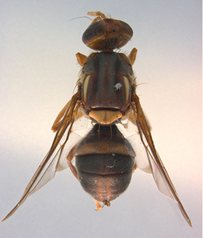
The California Department of Food and Agriculture (CDFA) has officially lifted the quarantine on the Queensland fruit fly (QFF) in Ventura and Los Angeles County, effective July 29, 2024. 

The Queensland fruit fly, first detected in California in San Diego County in 1985, was later identified in Orange County in 1991. This removal of the quarantine represents a major achievement in controlling this invasive pest. 

Counties currently impacted by invasive fruit fly quarantines:

  • Oriental fruit fly: Riverside and San Bernardino Counties 
  • Mediterranean fruit fly: Los Angeles County 

Maps of any remaining quarantine boundaries can be found here 

For additional resources and to learn more about other invasive fruit fly species, click here. 

Wonderful Nurseries Challenges AB 113

July 30th, 2024

A Fight for Fair Union Representation

In a significant legal battle that could reshape the landscape of union representation in California’s agricultural sector, Wonderful Nurseries has filed a lawsuit challenging AB 113, the new card check law. This law, enacted in 2023, allows unions to bypass secret ballot elections, a cornerstone of the Agricultural Labor Relations Act (ALRA), and certify unions based on authorization cards alone. Wonderful Nurseries, supported by an amicus brief from Western Growers and a coalition of agricultural associations, is seeking a preliminary injunction to halt the implementation of this law.

The Core Issues
At the heart of the lawsuit are concerns about the constitutionality and fairness of the new card check law. The law eliminates the requirement for secret ballot elections, allowing unions to gather signatures on authorization cards to demonstrate majority support. Employers are not permitted to see these cards, raising significant due process concerns. The law also prevents workers from knowing whether their signatures were used to certify a union against their wishes.

Constitutional Concerns
Wonderful Nurseries argues that AB 113 infringes on both employers’ and employees’ fundamental rights. The company contends that the law’s “certify first, investigate later” approach violates due process by certifying unions without a meaningful opportunity for employers or employees to challenge the validity of the authorization cards. This lack of transparency and oversight can lead to arbitrary and unfair outcomes, undermining the rights of workers to freely choose their representation.

The amicus brief filed by Western Growers and other agricultural associations highlights the importance of maintaining secret ballot elections to protect workers’ rights. Citing the Gerawan Farming v. ALRB case, the brief underscores that secret ballot elections are essential to ensuring that the workers’ choice is free from coercion and accurately reflects their will.

Misrepresentation Allegations
An alarming aspect of the case involves allegations of misrepresentation by the United Farm Workers (UFW) in obtaining signatures for the card check process. According to nearly 150 sworn declarations from Wonderful’s employees, UFW representatives misled workers into believing that signing the authorization cards was necessary to receive federal relief payments, specifically a one-time relief payment of $600 under the USDA Farm & Food Worker Program. Some workers testified in the administrative proceedings that they were told that the signatures were not a vote for the union but merely for obtaining funds.

Implications for the Industry
The outcome of this case has far-reaching implications for California’s agricultural sector. If the preliminary injunction is granted, it could halt the implementation of AB 113 and preserve the status quo ante of union certification through secret ballot elections. This would ensure that workers’ rights to a fair and transparent election process are protected, and that employers can adequately challenge union certifications.

Conversely, if the law is upheld, it could lead to widespread use of card check certifications, potentially increasing union presence in the agricultural sector. However, this could also result in increased disputes and legal challenges, as employers and workers navigate the new landscape of union representation without the protections afforded by secret ballot elections.

Western Growers’ Position
Western Growers and its coalition argue that the public interest is best served by maintaining a fair and transparent union certification process. We assert that AB 113’s procedures are deeply flawed and pose a significant risk of erroneous and coerced union certifications. The coalition believes that a judicial review is essential to address these constitutional concerns and to prevent potential disruptions in the agricultural industry.

Conclusion
The lawsuit filed by Wonderful Nurseries against AB 113 is a critical juncture for California’s agricultural labor relations. The court’s decision on the preliminary injunction will not only impact Wonderful Nurseries but also set a precedent for the future of union certifications in the state. As this case unfolds, it will be crucial for all stakeholders in the agricultural sector to stay informed and engaged in the legal proceedings to ensure that the rights of both workers and employers are upheld.

Stay tuned for updates on this important case and its implications for California agriculture.

Counsel for Wonderful Nurseries

Sheppard, Mullin, Richter & Hampton LLP
David A. Schwarz
Barbara E. Taylor
Barsamian & Moody
Ronald H. Barsamian
Seth G. Mehrten
Roll Law Group P.C.
Kristina M. Diaz

Organizations Signing onto the Amicus Brief

• Western Growers Association
• Agricultural Council of California
• California Citrus Mutual
• California Farm Bureau Federation
• California Fresh Fruit Association
• Grower-Shipper Association of Central California
• Grower-Shipper Association of San Luis Obispo and Santa Barbara Counties
• Ventura County Agricultural Association
• The California Cotton Ginners and Growers Association
• Western Agricultural Processors Association
• California Association of Winegrape Growers

This article appears in the July/August 2024 Western Grower & Shipper.

Correction: In the print version of this article, we inadvertently omitted the California Fresh Fruit Association from the list of associations that joined the amicus brief coalition effort. We deeply regret this oversight and wish to acknowledge CFFA’s vital contribution to this collaborative legal effort.

Western Growers 2024 Annual Meeting: Events Highlight Preview

July 29th, 2024

The 98th Western Growers Annual Meeting will be held at the luxurious JW Marriott Scottsdale Camelback Inn Resort & Spa in Scottsdale, Arizona, from November 3-6. Here’s a sneak peek at the activities scheduled for this year’s event:

Sunday, November 3

5:00 p.m. – Welcome Reception.

Monday, November 4

8:00 a.m. – Board of Directors Meeting, open to Board Members, WG Members and Invited Guests.

10:30 a.m. – Kickoff Keynote, delivered by award-winning journalist and media executive, Laura Ling.

12 :00 p.m. – PAC Luncheon, with guest speaker Bari Weiss, distinguished journalist and author. You can secure your spot at the PAC Luncheon by purchasing a ticket for $195 during registration.

6:30 p.m. – Party with the Partners at our Boots and Roots Hoedown! Don’t forget to pack your cowboy boots and favorite denim and join us for an evening of lively music, dancing and delicious food.

Tuesday, November 5

11:45 a.m. – Chair’s Lunch and Keynote, with trailblazing sports executive and NFL analyst, Amy Trask.

5:00 p.m. – Award of Honor Reception honoring Sonny Rodriguez, President and CEO of The Growers Company.

6:00 p.m. – Award of Honor Dinner, featuring mentalist Oz Pearlman.

8:30 p.m. – Come watch the election coverage in real-time at the Election Watch Party.

Wednesday, November 6

7:00 a.m. – Growers Cup Golf Tournament. Sign-up is available during the registration process. Golf tournament registration is $285 per golfer and includes breakfast and lunch. Clubs may be rented for an additional $65.

8:00 a.m. – WG Pickleball Classic, the 2nd of its kind! Sign-up is available during the registration process for $65 per player. All levels welcome!

You can view our full agenda here. To take advantage of sponsorship opportunities, please contact Rob Steinmann at [email protected]. For any other inquiries, please contact Cheryl Hall at [email protected].

Ninth Circuit Affirms the FLSA’s De Minimis Doctrine

July 25th, 2024

In the recent case Cadena v. Customer Connexx LLC, the United States Court of Appeals for the Ninth Circuit affirmed the applicability of the Fair Labor Standards Act’s (FLSA) “de minimis” doctrine. Under the FLSA, employers are not required to pay wages for ‘de minimis’ work performed before or after scheduled work hours.  

The three factors used by the Court to determine whether work time is de minimis are as follows:  

  1. The regularity of the additional work;  
  2. The aggregate amount of compensable time; and  
  3. The practical administrative difficulty of recording the additional time. 

In Cadena, the employer required call center employees to boot up and boot down computers at the beginning and end of each shift.   Employees were required to find a working computer, log in, and open the program to clock in and begin recording their time.  According to court records, the employer’s equipment was “old and slow” and because employees were not assigned workstations, they sometimes had to spend time searching for available workstations with working computers. Employees were prohibited from clocking in 7 or more minutes before their scheduled start time. According to employees, it could take anywhere from a few seconds to thirty minutes per shift to get signed in before and logged off after their shifts.  

The district court below entered summary judgment in favor of the employer. However, the Court of Appeals found there were genuine disputes of fact as to whether the three de minimis factors applied, and therefore summary judgment to Customer Connexx was improper. 

What Does it Mean? 

California courts, and the Ninth Circuit, have traditionally been reluctant to provide any brightline rules when it comes to determining when pre/post work activities qualify as de minimis. And, given the somewhat subjective nature of the analysis, they tend to rule on the side of finding no amount of unpaid time to be truly de minimis. As a result, employers should err on the side of caution when auditing pre/post work activities and take appropriate actions to ensure compliance, particularly in California where state courts have incrementally eroded application of the de minimis doctrine. 

Here are four key best practices for ensuring that pre/post work activities are accurately captured: 

  1. Implement clear policies and training. Establish and document clear policies and procedures regarding the requirement to clock in/out for all work-related activities. Conduct regular training sessions to educate employees about your policies and procedures and the importance of accurate timekeeping.  
  2. Use Reliable Timekeeping Systems: Invest in timekeeping systems that can accurately track employee work hours, including any work performed before or after scheduled shifts. Consider electronic or biometric time clocks to reduce the risk of inaccuracies associated with manual timekeeping.  
  3. Regular Audits and Monitoring. Conduct regular audits of time records to identify discrepancies or patterns that suggest unrecorded time. Monitor timekeeping reports closely and compare them with work schedules and actual workload requirements to ensure all hours worked are properly recorded.  
  4. Encourage reporting and provide reporting procedures. Create an open and supportive environment where employees feel comfortable reporting issues. Establish clear processes for employees to report their concerns and ensure all reports are timely investigated and resolved. 

Random Act of Workplace Violence Underscores Employer’s Workplace Violence Prevention Responsibilities

July 25th, 2024

As discussed here, Cal/OSHA’s workplace violence prevention mandate went into effect July 1, 2024. And while the regulatory deadline for establishing, implementing, and maintaining a Workplace Violence Prevention Plan (WVPP) has past, the reality of its necessity is evident in this week’s headlines.  

According to KFSN-TV, farmworkers in Fresno County experienced firsthand a random act of workplace violence when a man approached them and started shooting after asking if he could help. Workers escaped injury by hiding in a shop while deputies searched for the suspect in the field.  

An employer’s WVPP must be specifically tailored to each worksite and all employees must receive training on the plan.  

To learn more about employer obligations when it comes to creating a WVPP, visit Cal/OSHA’s WVPP webpage. For assistance in meeting WVPP training requirements contact Western Growers University at [email protected] 

California Implements Indoor Heat Protections for Workers

July 25th, 2024

California has approved new regulations to protect workers from heat illness in indoor workplaces. The Office of Administrative Law (OAL) sanctioned these measures requiring employers to adopt safety measures that go into effect in most cases when indoor temperatures reach 82°F to prevent the risk of heat illness to workers. This standard went into effect on July 23, 2024. 

Scope and Application 

The new regulations, known as the “Heat Illness Prevention in Indoor Places of Employment,” apply broadly to most indoor workplaces. “Indoor” refers to a space that is under a ceiling or overhead covering that restricts airflow and is enclosed along its entire perimeter by walls, doors, windows, dividers, or other physical barriers that restrict airflow, whether open or closed.” Under this definition, vehicles such as buses and tractor cabs may be considered indoor workplaces.  

All work areas that are not indoor are considered outdoor and covered by section 3395. These measures mandate that employers implement safety protocols when indoor temperatures reach 82°F to mitigate the risk of heat-related illnesses. Indoor places of employment with working air conditioning are generally exempt from the regulation. 

Key Requirements 

When indoor temperatures hit 82°F, employers must: 

– Provide accessible water to ensure workers stay hydrated. 

– Allow rest breaks to help workers recover from heat exposure. 

– Offer cool-down areas for employees to lower their body temperatures. 

– Conduct training sessions to educate workers on recognizing and preventing heat illness. 

For workplaces where temperatures escalate to 87°F, additional measures must be adopted, including: 

– Cooling down the work area using methods such as ventilation or air conditioning. 

– Implementing work-rest schedules to balance workload and recovery time. 

– Supplying personal heat-protective equipment to workers. 

These extra precautions also apply at 82°F in environments where workers wear heat-retentive clothing or are exposed to high radiant heat. 

Regulatory Approval and Implementation 

The Occupational Safety and Health Standards Board approved these regulations on June 20, 2024, codified under California Code of Regulations, Title 8, section 3396. The Board requested the immediate effect of these regulations following OAL’s approval to ensure prompt protection for workers as the summer heat intensifies. 

Dual Compliance 

Employers with both indoor and outdoor work environments must comply with the state’s heat illness prevention standards for both settings. A comprehensive comparison chart of the indoor and outdoor standards is available for employers to ensure full compliance. 

Employers are urged to familiarize themselves with these new requirements and implement necessary changes to protect their workers effectively. 

For more detailed information on compliance and best practices, employers can refer to the resources provided by Cal/OSHA and the 99calor.org informational website, as well as a Heat Illness Prevention online tool. 

Register Today for Western Growers University Leave Law Event on Sept. 12

July 29th, 2024

Registration is open for Western Growers University’s one-day workshop covering leave law mandates and disability accommodation in the workplace. This WG Leave Law Event is a unique opportunity to build and refine human resource management skills around employee leaves laws and the employer’s duty to provide a discrimination free workplace.

Participants will learn how to navigate through the most common federal and state leaves (e.g., FMLA, CFRA, PDL), learn about employer obligations under Workers’ Compensation laws, and then take a deep dive into disability discrimination and the employer’s duties under state and federal law to provide a discrimination free workplace.

Presenters include Priscila Cisneros, Learning and Development Manager, Western Growers University; Ken Cooper, Director, Risk Strategy, P&C Loss Control, Western Growers Insurance Services; and Teresa McQueen, Esq. Corporate Counsel, Western Growers.

Business owners, C-suite managers and HR professionals are encouraged to attend.

Event Details:

What: Leave Laws | Reasonable Accommodations | Interactive Process

When: Thursday, September 12, 2024

Time: 10:00 a.m. – 2:30 p.m.

Where:

Courtyard By Marriott San Diego Oceanside
3501 Seagate Way
Oceanside, CA 92056

Continental breakfast will be served from 9:30 a.m. to 10 a.m. Complimentary lunch will be served from 12 p.m. to 12:30 p.m.

Member pricing is available. Register or learn more information here.

Cal/OSHA Announces Advisory Committee Meeting on Enterprise-Wide and Egregious Violations Rulemaking

July 25th, 2024

On August 19, 2024, Cal/OSHA will hold an advisory committee meeting to solicit input on proposed amendments to regulations concerning Enterprise-wide and Egregious violations of employee safety and health requirements.  

Since 2021, Labor Code sections 6317 and 6317.8, require, among other things, that Cal/OSHA issue citations for “Enterprise-wide” and “Egregious” violations. While these classifications of violations are defined in Labor Code sections 6317 and 6317.8, regulatory action is necessary to incorporate these classifications into the existing framework for citation classification and penalty calculation, and to provide definitions and procedures that will allow employers to comply with the statutes’ requirements. The proposed amendments also are necessary to ensure that California’s enforcement program remains at least as effective as the federal OSHA program. 

Proposed changes include the following:  

  • Adding Enterprise-wide violations to the regulations regarding classification and calculation of penalties for alleged violations. 
  • Interpreting and defining the statutory language of Labor Code section 6317.8 regarding Egregious violations.  
  • Setting forth how penalties will be calculated for each instance of an employee exposed to an Egregious violation. 
  • Changing various subsections of Title 8, sections 334-336: (1) To reflect that the look-back period for determining how (if at all) a penalty should be adjusted to account for an employer’s history is five years, not three (consistent with the look-back period for Repeat violations); and (2) Deleting a reference to a subsection that was stricken in 2017. 

The advisory committee will consist of employers, employer representatives, worker representatives, trade associations, labor organizations, community groups, and public agencies. Members of the public who are not on the committee may observe the meeting and provide written comments on the Proposed Rule at [email protected]. Comments should specifically reference the proposed changes. 

For additional information visit Cal/OSHA’s Advisory Meetings webpage.  

Western Growers Collaborates with Qfresh Lab to Advance Sustainable Packaging in Fresh Produce Industry

July 17th, 2024

Western Growers (WG) and Qfresh Lab, a leading expert in sustainable packaging solutions, have launched a collaborative effort to advance sustainable packaging within the fresh produce industry. This initiative is part of a broader workgroup established by WG and the Canadian Produce Marketing Association (CPMA) aimed at standardizing packaging protocols across North America, ensuring consistency amid diverse regulatory and market demands as seen here.

Qfresh Lab, North America’s sole independent consulting and testing lab specializing in sustainable packaging design and technology for the fresh produce industry, brings unparalleled expertise in post-harvest technology, food safety and equipment. They will support this project through technical documentation, stakeholder alignment and implementation strategies.

Jeffery S. Brandenburg, Founder of Qfresh Lab, underscores the value of WG as a partner in this endeavor: “Western Growers’ extensive industry contacts, reach and scientific depth make them an ideal partner.”

Fresh produce packaging is crucial for preserving product quality, extending shelf life and upholding global safety standards. However, as governments increasingly regulate sustainable packaging, there can be a disconnect between these regulations and the specific needs of fresh produce. This highlights the critical role of industry leadership in advocating for practical and effective solutions.

Brandenburg emphasizes the importance of proactive industry leadership: “This initiative is crucial because without it, others may compromise the quality and safety of fresh fruit and vegetables.”

The partnership between Western Growers and Qfresh represents a proactive approach to sustainability in fresh produce. By fostering collaboration, leveraging technical expertise and advocating for industry-specific considerations in packaging regulations, this initiative sets a standard for responsible environmental stewardship and ongoing growth in fresh produce markets.

Western Grower & Shipper July/August Digital Issue Available Now

July 24th, 2024

The July/August 2024 digital issue of the Western Grower & Shipper magazine is now available online.

This issue features the articles “A Hopeful Moment for California’s Reservoir Projects,” “Wonderful Nurseries Challenges AB 113,” “Agrology’s Innovative Solutions for Carbon Sequestration and Sustainable Agriculture” and more.

The cover article features Paul Mikesell, Founder and CEO of Carbon Robotics, and explores how AI in agriculture is revolutionizing the industry worldwide.

Click here to read more.