USDA Offers Financial Assistance with Food Safety Certification for Specialty Crops Program  

January 21st, 2025

Did your farm recently incur costs for food safety certification? The USDA’s Food Safety Certification for Specialty Crops (FSCSC) program provides financial assistance to help specialty crop operations offset these expenses. USDA’s Farm Service Agency will accept FSCSC applications for calendar year 2025 from January 1, 2025, through January 31, 2026.

Eligible Expenses 

Reimbursement is available for up to 75% of eligible costs, including: 

  • Developing or updating food safety plans. 
  • Certification fees (up to $2,000). 
  • Microbiological testing for products, water, and soil. 
  • 100% reimbursement for training expenses (up to $500). 

Who is Eligible 

To qualify, applicants must: 

  • Be specialty crop growers. 
  • Hold certifications issued between June 26, 2024, and December 31, 2025. 
  • Have paid eligible expenses. 
  • Be classified as a small or medium-sized business. 
  • Operate within the U.S. or its territories. 

A detailed fact sheet covering program eligibility and expenses can be found here. 

For additional information, visit the USDA’s program webpage here. 

Trump Fires NLRB Chair and General Counsel, Raising Legal Questions 

January 30th, 2025

President Donald Trump has fired Acting National Labor Relations Board (NLRB) Chair Gwynne Wilcox and NLRB General Counsel Jennifer Abruzzo. The move, first reported by Axios, signals a broad effort by the Trump administration to reshape the federal agency responsible for overseeing labor disputes and unionization efforts. 

Legal and Political Implications 

The firings raise immediate legal questions, particularly in Wilcox’s case. Under the National Labor Relations Act (NLRA), board members can only be removed for “neglect of duty or malfeasance.” Wilcox, a Democrat and strong labor advocate, had only recently been appointed as acting chair, at the conclusion of President Joe Biden’s term. While it was expected that Trump would replace Wilcox as chair, her outright removal from the board has sparked debate over whether the president has the authority to dismiss an NLRB member without cause. 

Jennifer Abruzzo’s termination, while politically consequential, is less legally ambiguous. Unlike board members, the NLRB’s General Counsel serves at the pleasure of the president, making Abruzzo’s removal lawful but significant given her role as an aggressive enforcer of pro-labor policies.

NLRB in Limbo 

The firings leave the NLRB effectively paralyzed, with only two remaining members—one Democrat and one Republican—preventing the agency from issuing decisions until new members are appointed. Historically, a functioning board requires at least three members to issue rulings. Trump will now have the opportunity to quickly reshape the agency by nominating new board members and a new general counsel aligned with his administration’s labor policies. 

Potential Legal Challenge 

Wilcox has signaled that she may challenge her dismissal, as her term was scheduled to end in August 2028. Legal experts anticipate that any challenge could hinge on whether Trump’s justification—an assertion that the NLRB has failed to meet its responsibilities—meets the statutory requirement of “neglect of duty or malfeasance.” 

Looking Ahead 

For employers, the immediate impact of the firings is uncertainty. With the NLRB unable to issue decisions until new appointments are confirmed, pending cases and policy shifts championed under the Biden administration may be stalled indefinitely. If Trump successfully installs a Republican majority, the board is expected to roll back many of the pro-labor initiatives advanced in recent years, including policies on joint employer liability, union election procedures, and worker misclassification. 

The Current Status of Private Sector DEI Programs

January 30th, 2025

In the wake of recently issued Presidential Executive Orders, the landscape of Diversity, Equity, and Inclusion (DEI) programs in the private sector is facing some potentially significant changes. These orders, signed in the early days of the new administration, aim to dismantle various DEI initiatives across federal and private entities. Below is a brief overview of what employers need to know. 

Executive Orders Overview 

The Executive Orders target DEI programs by: 

  • Revoking longstanding DEI and affirmative action requirements for federal contractors. 
  • Directing public and private entities to end policies that, according to the new Executive Orders, constitute “illegal DEI discrimination.” 

Impact on Private Sector 

While these orders do not change existing discrimination statutes enforced under federal and state laws (e.g., protections under Title VII and California’s Fair Employment & Housing Act), they significantly increase scrutiny on DEI programs. Key points include: 

  • Federal agencies are now being tasked with rooting out “illegal discrimination and preferences,” as outlined in the Executive Orders.  
  • Federal contractors must now certify that their DEI programs comply with federal anti-discrimination laws. 

Immediate Actions for Employers 

Employers should consider the following steps to navigate these changes: 

  • Federal contractors should begin review existing contracts to ensure compliance with new certification requirements (i.e., that their DEI programs comply with federal anti-discrimination laws) and begin updating any standardized contract templates used internally to expedite the contracting process.   
  • With directives on enforcement and deterrence set out in the Executive Orders to encourage the private sector to fall-in-line, all employers should consider conducting company-wide DEI policy/procedures checks to assess and adjust DEI initiatives/programs to remain compliant with all federal civil-rights laws. 

Future Considerations 

The journey for DEI programs is just beginning, with expected court challenges and legislative actions. All employers need to stay informed and be proactive in managing their DEI initiatives effectively. 

For assistance in evaluating existing DEI programs, policies, or procedures, employers should consult with legal counsel to ensure that DEI programs align with the new regulations and continue to foster an inclusive workplace. 

Be Prepared When Disaster Strikes

January 30th, 2025

Disaster – wildfires, serious illness, and the ever-present specter of “the big-one!” – can be a game changer for any business. Even small events such as a burst pipe or loss of technical services can wreak havoc on businesses of all sizes. Adopting a workable standard approach to disaster planning can go a long way toward lowering your businesses risk of experience catastrophic failure should disaster strike.  

The Department of Homeland Security (DHS) and its Federal Emergency Management Agency (FEMA) have joined together to provide a “Business Ready” resource to assist businesses in adopting a workable standard for disaster management. The “all hazards approach” is the DHS/FEMA recommended preparedness program. The Business Ready program recommends a five-step process to assist businesses in creating an overarching disaster management program: Program Management, Planning, Implementation, Testing and Exercises and Program Improvement. A few tips for getting started: 

  • Identify Your Risk: Assess the level of localized risk for your operations. Looking at the impacts of previous disasters (e.g., earthquake, wildfires, flood) that have occurred in your area will help drive this assessment and give you insight into what might lie ahead. After identifying localized risks think about how your operations might be impacted before, during or after disaster strikes.  
  • Develop a Plan: Developing a business continuity or mitigation plan will help in automating key steps and communicate pertinent information to those who will need to act quickly under stressful conditions.  
  • Take Action: Assessment and planning are all necessary steps in getting your operations ready to weather any storm – literally! However, taking the time to put your well thought out plans into action is a key component when it comes to disaster mitigation efforts. Test out your plan to make sure your steps flow together on paper and in practice. Run a test scenario then debrief to answer some basic questions; Are there any holes in the process? Can things be streamlined to assure follow through under pressure? What can and should be improved?  

According to FEMA a significant percentage of businesses impacted by a disaster will never reopen their doors. Having a workable disaster plan in place – before disaster strikes – will help mitigate risk and tilt the odds in your organization’s favor.  

When is the Best Time to Terminate a Cover Crop? 

January 24th, 2025

At our recent Cover Crops and Sustainability Field Day, Eric Brennan, Research Horticulturist at USDA-ARS in Salinas, shared valuable insights on determining the best time to terminate cover crops. Timing is key to maximizing the benefits of cover crops while minimizing potential drawbacks. Here are the factors to consider: 

Maximizing Biomass for Soil Health 

  • Allowing cover crops to maximize shoot growth ensures more above-ground biomass, which provides energy to the soil when incorporated. 
  • Encouraging root growth builds underground biomass to nourish microbial communities and promote overall soil health. 

Timing Matters: Post-Flowering, Pre-Seeding 

  • Terminating cover crops after flowering but before seed production prevents viable seeds from becoming a source of unwanted plants in future crops. 
  • Terminating too early can result in nitrogen loss, as nitrogen remains in a leachable form during early growth stages. 

Considering Seasonal Conditions 

  • In cooler weather, cover crops may grow more slowly and produce less viable seed, extending the window for termination. 
  • Warmer weather or stressful conditions, like low moisture, can cause cover crops to bolt or have stunted growth, potentially limiting their benefits. 

Stay tuned for more information and practical tips from our Cover Crop Field Day series. 

Additional Resource: Free Cover Crop Seeds and Support for Growers 

If you’re a grower in Santa Cruz, Monterey or San Benito County, there’s an exciting opportunity available. Thanks to RCD Santa Cruz and RCD Monterey, growers can receive 4–5 acres worth of cereal cover crop seeds for free. This program also offers access to personalized technical assistance from RCD staff, soil nitrogen quick tests and help calculating nitrogen scavenging credits for Ag Order 4.0 compliance. For more details, please contact Elliot Grant from Sustainable Conservation at [email protected] 

WG to Present at Southwest Ag Summit in Yuma Feb 18-20, 2025 

January 24th, 2025

The Southwest Ag Summit is the premier agriculture show for the desert Southwest, bringing together growers, industry leaders and experts to share knowledge and innovation. Hosted in Yuma, Arizona—a hub for over 600,000 acres of irrigated land—the Summit offers invaluable insights on topics like irrigation management, crop protection, produce safety and more. 

This year, our very own Sonia Salas, AVP of Science, will be a panelist, during one of the sessions, sharing a perspective regarding the use of sampling to make informed food safety decisions. More info about the event here 

Don’t miss this chance to connect, learn and grow.  

Register Here 

The Practice of Food Safety 

January 24th, 2025

Life involves three types of decisions: must do, could do and should do. Among these, the “must” decisions are the easiest because external forces often make them for us. These are actions that must be completed due to obligations or rules. For example, paying taxes in the United States is a “must” decision. Regardless of personal feelings, people comply to avoid penalties or jail time. It’s straightforward because the consequences of inaction are clear and immediate. Once completed, most individuals move on with their year, repeating the process annually without much thought. 

In contrast, “could” decisions are far more complex and overwhelming. These represent the plethora of options available to us, offering opportunities to choose any path forward. While the abundance of options is a privilege, it can also be paralyzing. This is illustrated by a metaphor of customers in an ice cream shop, faced with endless flavor combinations. Excitement quickly turns to overwhelm as they struggle to choose, often defaulting to the simplest or first option. This behavior demonstrates how, when faced with too many possibilities, people often settle for what feels easiest rather than what might be the best choice. 

The same dynamic applies to decision-making in other areas of life, including food safety. Many professionals in the field fall back on the simplest programs or policies they encounter early in their careers. Over time, these established practices persist, not because they are optimal, but because they are functional and easy to maintain. Whether someone is new to food safety or has years of expertise, the challenge lies in navigating a vast array of choices without the certainty of a “right” answer. Food safety, like medicine, is a practice developed through experience, mentorship and learning from past events. 

Next are “should” decisions, which are the most complex and nuanced. These decisions sit in a gray area between “must” and “could,” requiring a balance of personal ethics, professional responsibility, and context. Unlike “must” decisions with clear rules, or “could” decisions driven by open-ended possibilities, “should” decisions often involve ambiguity. For food safety professionals, these decisions dominate their work. They constantly navigate scenarios where the right answer isn’t clear until after the fact, such as deciding whether a missing plastic knob likely fell into a production vat or assessing the safety of products after a refrigeration failure. 

The difficulty of “should” decisions lies in their reliance on judgment rather than rules. While it’s the food safety professional’s role to ensure food is safe for consumption, they must also ensure products are still viable to sell. Overly strict decisions might eliminate all risks but could leave no product to distribute. Conversely, leniency might preserve inventory but increase potential dangers to public health. This constant balancing act highlights the complexity of the “should” category, requiring professionals to weigh risks, outcomes and ethical considerations in real-time. 

In the end, life’s decisions are rarely black and white. The “must” decisions are the simplest because they are dictated by external forces. The “could” decisions represent boundless possibilities but often lead to overwhelm. And the “should” decisions, which merge elements of the first two, are where most of life—and especially professional roles like food safety—exists. These decisions require the courage to operate in uncertainty, relying on experience, mentorship, and a commitment to doing what seems best in a world full of gray areas. 

Western Growers Science team recognizes that the challenge for the Produce food safety professional is difficult and increasing with research leading to enhanced understanding of our environments and potential risks. Navigating the “should” decisions in day-to-day food safety decision-making can be overwhelming, especially within fresh produce where the complexity of the supply chain and production environment is high, and the direct ability to manage all variables is low. Western Growers is here to help, and we are building a library of tools and information to make “should” decision-making easier. Through our programs, we are supporting the industry by building resources to optimize learnings on risk management, increasing produce food safety expertise through mentorship, collaboration and educational materials and designing transformational systems like GreenLink® for enhanced food safety data utilization.  

Interested in cultivating the future of produce food safety? Join us.  

CDFA Developing Climate Resilience Strategy for California Agriculture

January 24th, 2025

The California Department of Food and Agriculture (CDFA) is currently developing a Climate Resilience Strategy for California Agriculture. This initiative aims to unify the state’s diverse agricultural climate actions into a cohesive framework, outlining both the progress of current efforts and a clear vision for future initiatives.

The CDFA will also be hosting the following public listening sessions beginning in early February:

U.S. Supreme Court Clarifies FLSA Overtime Exemption Standard of Proof  

January 24th, 2025

The U.S. Supreme Court’s recent decision in E.M.D. Sales, Inc. v. Carrera settles a conflict among the courts and clarifies that the standard of proof that an employer must satisfy to show that an employee is exempt is by a preponderance-of-the-evidence, not the heightened standard of clear and convincing evidence. This decision sets a clear national standard under the Fair Labor Standards Act (FLSA) and, when challenged, makes it easier for employers to prove their employees are properly classified.  

Background 

E.M.D. Sales, Inc. (E.M.D.) was sued by its sales representatives for allegedly not paying overtime. E.M.D defended the action claiming the plaintiffs were outside salesmen exempt from FLSA overtime requirements. In the lower court and on appeal, E.M.D. was found liable for overtime because it had not proven, by a clear and convincing standard, that its sales representatives were outside salesmen. The question on appeal was which standard applies to show an employee is exempt under the FLSA: clear and convincing evidence or a preponderance-of-the-evidence.  

The Supreme Court ruled that the preponderance-of-the-evidence standard, not the clear-and-convincing-evidence standard, applies when an employer seeks to prove an employee is exempt from FLSA provisions. The Court noted that its decision aligns with the default standard in American civil litigation unless a statute or the Constitution specifies otherwise. 

What Does it Mean 

The Court’s ruling provides a consistent nationwide standard for all FLSA exemption cases. The lower threshold ‘preponderance’ standard will also ease the burden on businesses defending misclassification claims under the FLSA.   

To avoid misclassification claims under both state and federal laws, consider the following best practices: 

  • Be mindful of differing wage and hour requirements. State and local municipalities can enact higher, more stringent, or differing wage and hour requirements. These requirements should be reviewed annually to ensure continued compliance.  
  • Regularly review job descriptions. Schedule regular annual audits to confirm that all duties and responsibilities listed in the job description are accurate and remain aligned with classification mandates. 

OSHA Work-Related Injuries and Illness Reporting Period Opens 

January 24th, 2025

The U.S. Department of Labor’s Occupational Safety and Health Administration (OSHA) requires employers with more than 10 employees to keep a record of serious work-related injuries and illnesses.i Employers may utilize OSHA’s ITA Coverage Application to determine whether they are required to comply.  

OSHA requires that records of illness and injury be maintained at the employer’s worksite for at least five years. Each February 1st through April 30th, employers are required to post a summary of the injuries and illnesses recorded during the previous year. Data submissions began January 2, 2025. The completed summary must be prominently displayed at any worksite location where employee notices are typically provided. Also, if requested, copies of these records must be provided to current and former employees, or their representatives. 

OSHA’s Injury Tracking Application (ITA) Information webpage provides useful information, guidance and resources to assist with the electronic submission of workplace injury and illness data from the OSHA Form 300A: Summary of Work-Related Injuries and Illnesses, OSHA Form 300: Log of Work-Related Injuries and Illnesses, and OSHA Form 301: Injury and Illness Incident Report (Forms).  

OSHA’s Injury Tracking Application (ITA) webpage, allows employers the option of manually entering their data into the ITA via a web form, uploading a CSV file to the ITA, or transmitting data electronically via an API (application programming interface). 


Hughes Fire Highlights Employers’ Obligations to Protect Agricultural Workers from Wildfire Smoke

January 24th, 2025

As firefighters make strides in containing the Hughes Fire, which has burned over 10,000 acres near Castaic in Ventura County, agricultural employers in the affected areas must take proactive steps to safeguard their employees from the hazards of wildfire smoke. Cal/OSHA has issued timely reminders for employers about their obligations under California’s Protection from Wildfire Smoke standard. With smoke impacting air quality in Ventura and Northern Los Angeles Counties, including Oxnard, employers must ensure compliance with these regulations to maintain workplace safety.

Key Employer Responsibilities 

California’s Protection from Wildfire Smoke standard, codified in Title 8, Section 5141.1, requires employers to mitigate health risks for workers exposed to unhealthy air due to wildfire smoke. Below are the primary responsibilities for employers: 

  • Monitor Air Quality: 
    • Employers must check the Air Quality Index (AQI) for PM2.5 levels before and throughout work shifts whenever wildfire smoke is likely to impact the worksite. 
    • Resources such as the U.S. EPA’s AirNow website and local air quality management district websites are essential tools for tracking AQI. Alternatively, employers can use calibrated instruments to measure PM2.5 levels directly at the worksite. 
  • Provide Respiratory Protection: 
    • If the AQI for PM2.5 exceeds 150, employers must provide N-95 respirators and encourage their voluntary use by workers. 
    • When the AQI surpasses 500, respirator use becomes mandatory. 
  • Adjust Work Practices: 
    • Employers should modify outdoor work schedules, reduce physical exertion, or relocate work to areas with better air quality where possible. 
  • Training Requirements: 
    • Workers must be trained to understand the health effects of wildfire smoke, how to use respirators properly, and how to access up-to-date air quality information. Training materials and additional resources are available in both English and Spanish at WildfireSmokeCalifornia.org and HumodeIncendios.org. 

Protections for Workers in Evacuation Zones 

Employers must also be mindful of evacuation orders and ensure that no work is conducted in areas under mandatory evacuation. California law protects employees from retaliation if they refuse to work in unsafe conditions, including worksites within evacuation zones. Employers should refer to the Cal Fire website for up-to-date information on evacuation orders and road closures. 

Enforcement and Penalties 

Failure to comply with Cal/OSHA’s wildfire smoke protections can result in penalties and increased liability. To avoid these consequences, employers should: 

  • Regularly review and update their wildfire smoke response plans. 
  • Maintain records of air quality monitoring and the distribution of respirators. 
  • Foster a culture of safety by encouraging workers to report concerns without fear of retaliation. 

SB 1044 

Employers are reminded that as of January 1, 2023, California Senate Bill 1044 protects employees from employer retaliation if they leave their workplace or refuse to report to work during an emergency when they reasonably believe it’s unsafe. An “emergency condition” is defined as disaster or extreme peril to the safety at the workplace caused by natural forces or a crime, or an evacuation order due to a natural disaster or crime at the workplace, an employee’s home, or their child’s school. 

Additional Resources: 

More resources for wildfire smoke safety: 

Q&A: What You Need to Know About FDA Regulatory Inspections

January 22nd, 2025

Updated: 1/21/2025

1 ) What part of the FDA conducts food facility inspections?

The enactment of the Food Safety Modernization Act (FSMA) expanded the FDA’s inspection authority significantly. Initially, FDA inspections of farms occurred mainly during foodborne illness investigations or findings of potential food adulteration. Now, inspections also include routine inspections and occur more frequently sometimes without prior notice. These inspections are conducted by the Office of Human Food Inspectorate, part of the Office of Inspections and Investigations (OII). As of October 1, 2024, the OII replaced the Office of Regulatory Affairs (ORA).

State and local agencies also partner with the FDA to conduct inspections under cooperative agreements. These agencies might follow different protocols, but they generally align with FDA standards.

2 ) How many inspectors should you expect to see during an inspection?  Is it typical for inspectors to come from different offices (state, federal)?  What do you do when the inspectors arrive? What information are you entitled to? 

Number of inspectors: The number of inspectors may vary depending on the scope of the inspection.  Inspections can also be opportunities for training new inspectors, inspectors to learn new types of facilities and/or inspectors to calibrate across different offices.

State and federal collaboration: Inspections may involve personnel from both FDA and state agencies working under cooperative agreements.

What to do when inspectors arrive:

  • Inspectors must present a Notice of Inspection (Form FDA-482 or FDA-482(c)) to your designated company contact before proceeding with the inspection.
    • This form includes the inspection date, the name and title of the firm representative, the firm’s name and location, and the authority granted by the Food, Drug, and Cosmetic Act (FD&C Act).
    • It must be signed by the inspector and display the name and address of their District Office.
  • If state or local officials conduct the inspection and do not provide this form, document their credentials and any information about their inspection authority.
  • Keep a copy of the Notice of Inspection for your records.

3 ) What are the different types of inspections? VIA vs OIA?

The FDA and its state partners conduct three main types of inspections:

  1. Surveillance Inspections: Routine, proactive inspections to ensure compliance with FDA regulations.
  2. Compliance Follow-Up Inspections: Conducted to verify corrective actions taken after previous observations.
  3. For-Cause Inspections: Triggered by specific events, such as a foodborne illness outbreak or consumer complaint.

Inspection classifications:
Inspections are classified into three categories based on findings:

  1. No Action Indicated (NAI): No objectionable conditions or practices were observed.
  2. Voluntary Action Indicated (VAI): Objectionable conditions or practices were found, but no regulatory action is recommended.
  3. Official Action Indicated (OAI): Regulatory or administrative actions are recommended based on significant violations.

The final classification (OAI) considers observations made during the inspection, the facility’s response to Form FDA-483, and corrective actions taken.

4 ) Can we explain the difference between an observation (483) versus a violation?

An FDA Form 483 is issued at the end of an inspection when an investigator observes conditions that may violate the FD&C Act or related regulations. It lists observations in order of risk significance and typically includes:

  • A citation of the relevant law, regulation or act.
  • Specific details about the observed conditions.

Key distinctions:

  • Observation: Potential issues noted by inspectors. A 483 does not constitute a violation or final regulatory action.
  • Violation: Determined after further evaluation of the 483 and other evidence, which may result in regulatory or administrative action.

You should review 483 observations carefully and respond promptly with proposed corrective actions.

It’s important to realize that not all 483s are the same! Jennifer McEntire recently posted a story regarding the mischaracterization of the 483, which in plain words offers a clear explanation of what 483 forms are or aren’t.

5 ) What are common observations during inspections?  FDA publishes a summary of inspection data, where can I find it?

Common observations during inspections include issues related to:

  • Sanitation and hygiene practices.
  • Documentation and record-keeping.
  • Equipment maintenance and calibration.

The FDA publishes a summary of inspection data, including final classifications, in its FDA Inspection Database (FDA Dashboards – Inspections). The agency maintains an inspection database that includes final inspection classifications (updated weekly). Once an inspection has been classified and it is considered closed it is added to this database.

In 2024, approximately 74% of inspections resulted in “No Action Indicated” (NAI), while less than 2% resulted in “Official Action Indicated” (OAI).More statistics can be obtained from the FDA’s data dashboard to provide more context about inspection findings.

Table 1. 2024 Food/Cosmetic inspection based on findings.


Product Type

Classification

Total Inspections

Percentage

Food/Cosmetics

VAI

2448

25%

Food/Cosmetics

OAI

169

2%

Food/Cosmetics

NAI

7359

74%

All Categories

9976

6 ) How do I prepare for when the inspector arrives at my facility?

Preparation is key. Companies should establish an Inspection Team and written procedures to manage inspections effectively. Key responsibilities include:

  • Escort Protocol: Ensure inspectors are escorted at all times while on the premises.
  • Point of Contact: Designate a Company Contact to respond to inspector questions and requests.
  • Document Management: Have clear policies for disclosing records, trade secrets and confidential information.
  • Use of Equipment: Be aware of policies regarding inspectors’ use of recording devices, photography and sampling procedures.

Companies should also ensure that inspectors comply with internal health and safety rules. Resources like the Western Growers FDA Inspections Manual (FDA Inspections Manual ) provide detailed guidance on planning, managing inspections and post-inspection follow-up.

7 ) What to do when a company believes the FDA has misunderstood an aspect during an inspection?

When a company identifies a potential misunderstanding during an FDA inspection, it’s important to address the issue promptly and professionally. Following these steps can help ensure the situation is resolved effectively:

  • Provide a Detailed Response: Explain why you believe the observation stems from a misunderstanding. Include background information, contextual explanations and evidence to support your position. This helps FDA officials, who may not be familiar with your operations, understand your perspective.
  • Maintain Professionalism: Contesting an FDA observation is acceptable, but it must be done respectfully and constructively. Ensure your response focuses on clarifying the misunderstanding rather than appearing confrontational.
  • Engage with the FDA District Office: The district office oversees the inspection process and the work of field investigators. If communication with the on-site investigator does not resolve an issue, contacting the district office can help escalate and address confusion regarding inspection findings or misunderstandings.
  • Document All Communications: Keep detailed records of all interactions with the FDA. Proper documentation is invaluable if further discussions or escalations are necessary.

By following these steps, companies can address misunderstandings during FDA inspections through clear communication, constructive dialogue and appropriate channels.

FDA Releases New Strategy to Prevent Enteric Viruses in Fresh and Frozen Berries 

January 22nd, 2025

The U.S. Food and Drug Administration (FDA) has announced a new strategy to prevent contamination of fresh and frozen berries with enteric viruses such as Hepatitis A Virus (HAV) and human norovirus (NoV). This initiative is part of FDA’s efforts to enhance food safety and reduce foodborne illnesses.

The FDA’s prevention strategy addresses factors that may contribute to contamination, such as inadequate hygienic practices among field workers, cross-contamination during processing and gaps in food safety systems. The strategy also emphasizes the importance of scientific research to detect and understand enteric viruses, including their persistence in agricultural environments and processing facilities.

Reducing foodborne illness requires a coordinated effort throughout the supply chain. The FDA’s strategy underscores the shared responsibility of regulators, industry and other stakeholders in ensuring the safety of fresh and frozen berries.

For more information, visit the FDA’s website here.

A summary of the FDA’s new prevention strategy is available here.

Former USDA Deputy Under Secretary to Take Helm of Nonprofit Dedicated to Preventing Foodborne Illness on Feb. 24

January 21st, 2025

Stop Foodborne Illness (STOP), a national public health nonprofit dedicated to preventing foodborne illnesses, has announced that Sandra Eskin, a renowned food safety advocate and former USDA Deputy Under Secretary for Food Safety, will take on the role of CEO starting Feb. 24, 2025.

Eskin, who has played a pivotal role in advancing food safety reform throughout her career, succeeds Mitzi Baum, who expanded STOP’s national profile during her six-year tenure. Under Eskin’s leadership, STOP aims to build on this momentum and strengthen its efforts to protect consumers and prevent foodborne illnesses.

Click here to read the full press release.

Field Day Recap: Cover Crops and Sustainability at Dole Farms 

January 22nd, 2025


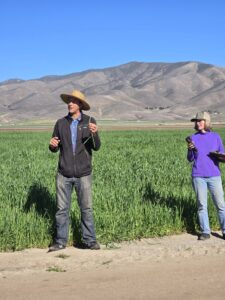
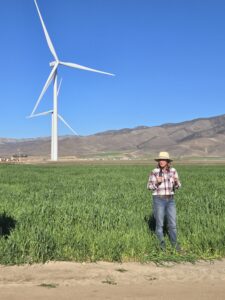
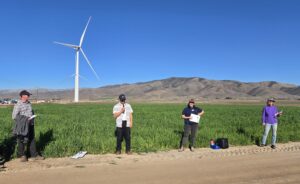
On January 16th, Dole Farms in Soledad, CA, became a center for learning and collaboration as industry experts, growers and sustainability advocates gathered for the Cover Crops and Sustainability Initiatives Field Day. The event provided attendees with a hands-on opportunity to explore how cover crops can advance sustainability in vegetable production systems. 

The agenda focused on the transformative benefits of integrating cover crops into farming practices. Speakers highlighted the importance of maximizing biomass to unlock these benefits. High biomass production optimizes nitrogen use, generates energy and nourishes microbial soil communities, leading to improved soil health. Additionally, cover crops enhance nutrient cycling, improve water infiltration and create overwintering habitats for beneficial insects—delivering significant environmental and agronomic gains. 

The event featured an esteemed panel of speakers, including Zach Barnes from Dole Farms, Eric Brennan from the USDA, Gina Colfer from Wilbur Ellis, Elliot Grant from Sustainable Conservation and Rebecca Roberts from CMSF. Each speaker brought valuable insights, sparking meaningful discussions about the challenges and opportunities in adopting cover crops at scale. Attendees left equipped with actionable ideas to enhance their farming practices. 

Thank you to everyone who participated, and a special thanks to Dole Farms for hosting such an impactful event. 

President Trump Directs Agencies to Restart Water Infrastructure Plan for California

January 21st, 2025

President Trump has ordered the immediate resumption of efforts by the National Marine Fisheries Service, U.S. Fish and Wildlife Service, Bureau of Reclamation and other federal agencies to route more water from the Sacramento-San Joaquin Delta to Central and Southern California. The directive seeks to revive plans from the President’s first term, which aimed to improve California’s water infrastructure and provide a reliable supply for regions impacted by drought and wildfires. The President criticized the prior halt of these efforts, citing the diversion of water into the Pacific Ocean to protect Delta smelt and other fish species. The administration has set a 90-day deadline for progress updates and recommendations to ensure the plan’s swift implementation.

Click here for the full executive order.

USDA Secures $129.2 Million in Emergency Funds to Combat Exotic Fruit Fly Outbreaks

January 17th, 2025

WASHINGTON, January 17, 2025 – The U.S. Department of Agriculture (USDA), Animal and Plant Health Inspection Service (APHIS) is using emergency funding to respond to the threats associated with growing outbreaks of exotic fruit flies. U.S. Secretary of Agriculture Tom Vilsack approved the transfer of $129.2 million from the Commodity Credit Corporation to APHIS to directly support emergency response efforts domestically and internationally. This funding will support critical efforts in the U.S. and in buffer zones in Guatemala and Mexico to prevent the northward spread of these destructive pests.

“Fruit flies attack more than 400 different types of plants, destroying entire crops, disrupting trade, and causing major financial losses,” said Michael Watson, Administrator, APHIS. “Dedicating emergency funds to address these outbreaks means the collaborative effort to protect U.S. agriculture from this unprecedented outbreak can continue. We are reinforcing prevention measures, investing in long-term solutions like improved sterile insect facilities, and bolstering our response to detections.”

The Secretary of Agriculture is authorized to transfer funding from the Commodity Credit Corporation to address emergency outbreaks of animal and plant pests and diseases. APHIS is currently addressing an increasing number of outbreaks of fruit flies in the United States.

Exotic fruit flies are among the most destructive fruit and vegetable pests in the world. APHIS will use $129.2 million of these funds to safeguard billions of dollars in vegetable and fruit commodities by:

  • working with local, state, and international partners to eradicate exotic fruit fly outbreaks domestically and internationally to prevent the spread of these pests and protect the nation’s agriculture and U.S. trade;
  • bolstering surveillance systems to detect new incursions; and
  • repairing sterile insect facilities in California and Texas and replacing essential equipment to enhance the effectiveness of the program.

The timing of APHIS’ response is crucial to prevent the spread of these invasive pests and to monitor their movement to prevent future outbreaks impacting a $14.8 billion industry and the livelihoods of countless producers and communities.

The USDA, California Department of Food and Agriculture and Texas Department of Agriculture are working together to combat an outbreak of exotic fruit flies in several counties in California and Texas.

Tephritid fruit flies spend their larval stages feeding and growing in over 400 host plants.

Introduction of invasive fruit fly species into the United States causes economic losses from destruction and spoiling of host commodities by larvae, costs associated with implementing control measures, and loss of market share due to restrictions on shipment of host commodities. The extensive damage and wide host range of tephritid fruit flies can become an obstacle to agricultural diversification and trade when pest fruit fly species become established.

For more information on invasive insects or plant diseases, visit HungryPests.com. For the latest invasive fruit fly quarantines, visit APHIS’ Exotic Fruit Flies webpage. To report invasive plant pests or diseases in your area, find your state under the “Find or Report Pests by State” dropdown tab on HungryPests.com.


#

APHIS protects the health of U.S. agriculture and natural resources against invasive pests and diseases, regulates genetically engineered crops, administers the Animal Welfare Act, and helps people and wildlife coexist. We also certify the health of U.S. agricultural exports and resolve phytosanitary and sanitary issues to open, expand, and maintain markets for U.S plant and animal products.

USDA touches the lives of all Americans each day in so many positive ways. In the Biden-Harris Administration, USDA is transforming America’s food system with a greater focus on more resilient local and regional food production, fairer markets for all producers, ensuring access to safe, healthy and nutritious food in all communities, building new markets and streams of income for farmers and producers using climate smart food and forestry practices, making historic investments in infrastructure and clean energy capabilities in rural America, and committing to equity across the Department by removing systemic barriers and building a workforce more representative of America. To learn more, visit www.usda.gov.

OSHA Increases Civil Penalties for Certain Violations

January 16th, 2025

The Department of Labor has published its final rule on annual increases for OSHA civil monetary penalties for 2025. The increases adjust for inflation and are published annually in accordance with federal law. The newly published increases apply to any penalties assessed after January 15, 2025 

What You Need to Know 

This annual increase is required by a law under the federal Inflation Adjustment Act with guidance from the Office of Management and Budget. State workplace safety agencies, such as Cal/OSHA and ADOSH, must raise their maximum penalties in line with OSHA’s increases to ensure their penalty levels remain equally effective. 

For citations issued on or after January 15, 2025, the maximum penalties for specific violations are as follows: 

  • The maximum penalty for Serious, Other-Than-Serious and Failure to Post  Violations is $16,550.[i] 
  • The maximum penalty for Failure to Abate Violations is $16,550 per day beyond the abatement date.[ii] 
  • The maximum penalty for Willful and Repeat violations is $165,514.[iii] 


[i] An increase from 2024’s penalty of $16,131. 

[ii] Up from $16,131 per day beyond abatement date. 

[iii] An increase from 2024’s penalty of $161,323.  

Understanding California’s Wildfire Workplace Safety Regulations 

January 16th, 2025

As wildfires across California become more frequent and intense, employers must keep in mind Cal/OSHA regulations aimed at safeguarding workers from the harmful effects of wildfire smoke.  

Following Cal/OSHA alerts and regulatory guidelines will assist in maintaining workplace safety, particularly in areas prone to poor air quality during wildfire events. Below are a few key points to assist in understanding and complying with California’s Wildfire Workplace Safety Regulations. 

Applicability of the Wildfire Smoke Standard: California’s wildfire smoke standards apply to workplaces where the Air Quality Index (AQI) reaches 151 or higher, indicating unhealthy air quality. This standard is designed to protect employees who may be exposed to wildfire smoke, encompassing both outdoor and certain indoor settings. Employers in these areas must be vigilant and proactive in addressing air quality concerns to ensure the safety and health of their workforce. 

Monitoring and Communications: Effective monitoring of air quality is a cornerstone of the wildfire smoke standard. Employers are required to regularly check local AQI levels using reliable sources such as the U.S. EPA AirNow website, the California Air Resources Board, and local air quality management districts. By staying informed about current air quality conditions, employers can make timely decisions impacting employees and the worksite. 

Open communication with employees is also key. This includes communicating with workers about the current AQI and any potential health risks associated with wildfire smoke. Transparency across the organization helps employees understand the severity of the situation and the important measures being taken to protect them. 

Employee Training: Training is also a critical component of the wildfire smoke standard. Employers must ensure that employees receive adequate training on the health effects of wildfire smokei. This training includes information on how to protect oneself, rights and protected afforded employees associated with seeking medical treatment related to injury or illness due to wildfire smoke exposure, and the proper use of respiratory protection. 

Workplace Modifications: To minimize exposure to wildfire smoke employers must consider modify the workplace as needed. This may involve altering work schedules, relocating work to less affected areas, or implementing engineering controls such as ventilation systems. Taking these modification steps can reduce the concentration of harmful particles in the air, thereby lowering the risk to employees. 

Furthermore, employers should provide proper respiratory protection, such as N95 respirators, for voluntary use. These respirators can significantly reduce inhalation of hazardous particles, offering an additional layer of protection for employees working in smoky conditions. 

Mandatory Respirator Use: When the AQI for PM 2.5 particles exceeds 500, respirator use becomes mandatory. In such cases, employers must ensure that respirators are not only available but also used correctly by employees. Proper fit and usage are essential for the effectiveness of respirators, and employees should be trained on how to wear them properly. 

Operational Adjustments: In situations where it is not feasible to relocate operations or if respiratory protection is unavailable, employers may need to temporarily halt work until air quality improves.  

Resources and Support 

To assist employers in complying with these regulations, Cal/OSHA provides a list of vendors offering N95 respirators. Additionally, the California Labor Commissioner’s Office has published FAQs addressing compensation and employment issues related to wildfires.  

As wildfires persist in California, staying informed and prepared is crucial for managing workplace risk related to this unpredictable hazard. By adhering to these standards, employers can help lower the risks associated with the impacts of wildfire smoke and create a safer and healthier environment for their employees. Effective monitoring, communication, training, and workplace modifications are key strategies in mitigating the impacts of wildfire smoke on employee health. 

H-2A Final Rule and Revised Form I-129 Take Effect January 17, 2025

January 16th, 2025

On January 17, 2025, the Department of Homeland Security’s (DHS) H-2 final rule will go into effect, introducing enhanced requirements for the H-2A nonimmigrant visa program. To align with these changes, U.S. Citizenship and Immigration Services (USCIS) will implement a revised version of Form I-129, Petition for a Nonimmigrant Worker (edition date 01/17/25). Unlike past updates, use of this new edition of Form I-129 has no grace period, making its use mandatory starting January 17. 

As previously announced, the final rule aims to bolster worker protections and ensure program integrity by imposing stricter penalties on employers who charge prohibited fees or violate labor laws and enhancing flexibility for H-2A program participants. 

Important H-2A Filing Guidelines 

Beginning January 17, USCIS will reject Form I-129 petitions filed using the prior (04/01/24) edition. Filing instructions include the following: 

  • The 04/01/24 edition of Form I-129 will be accepted only if received by USCIS before January 17, 2025. 
  • Any petition using the 04/01/24 edition and received on or after January 17, 2025, will be rejected. 
  • Only the revised 01/17/25 edition of Form I-129 will be accepted for petitions received on or after January 17, 2025. 

For those submitting Form I-129 by mail, ensure that the correct edition is used and received by USCIS by the specified deadlines to avoid processing delays or rejections. 

Employers participating in the H-2A program should take immediate steps to familiarize themselves with the revised requirements and ensure compliance. On Jan. 16th, Western Growers H-2A Services began sending out its first petitions using the new I-129 form on behalf of its members.  

Members with questions about the DHS Final Rule or the new Form I-129 should contact Western Growers at [email protected]